
The Top 6 Questions You Need to Ask Before Getting a Home Loan
Getting a home loan is both an important process and an intimidating one, and if

Getting a home loan is both an important process and an intimidating one, and if

A home comes with plenty of safety concerns. Whether you’re welcoming a new family member or

Buying a home is an exciting time, but in all the excitement, it’s important not to neglect your home insurance. Your home is one of the biggest investments you’ll make in life, and it sure is worth protecting. The following is a guide to ensure

While home improvements can be outrageously expensive, they don’t have to be.

Whether you’re an experienced homeowner or just now purchasing your first home,

Business intelligence (BI) is essential for organizations that want to gain a competitive advantage over their competition and stay relevant

Pew Research Center survey results revealed that 95 percent of teens in the United States

Are you a company with a large volume of assets? Chances are, you’ve been advised

A digital asset management solution is a software system that provides a systematic approach to

When you’re conducting enterprise-level deals, such as a merger or acquisition (M&A), you need to

Becoming a homeowner is an important milestone and a goal for millions of people, but owning your own home also comes with a host of

Many people are drawn to healthcare as a potential career field. However, not everyone has

Being a small business owner is one of life’s great joys. Many entrepreneurs earn a

There’s no question that the United States has one of the most bustling economies in

The food services industry is undoubtedly one of the most challenging sectors to break into.

Do you remember when you first received your driver’s license? You were probably filled with excitement about your new-found freedom. You couldn’t wait to get

How often have you found yourself needing to get a fresh set of keys for a neighbor to have? Do you ever need to make

Selling your home is a big task and a great undertaking. You want to make sure it sells quickly and for the right price. The
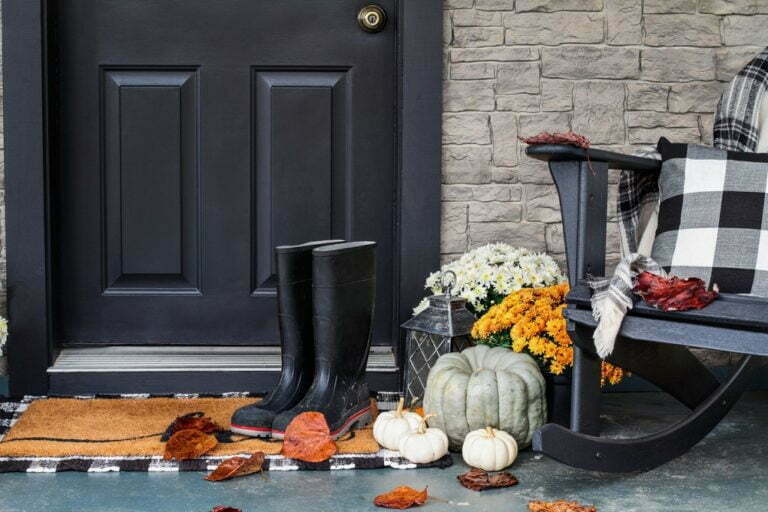
With the equinox in our rear-view mirror, there’s no denying that autumn is here—it’s fall, y’all! So naturally, this calls for a transition at home