
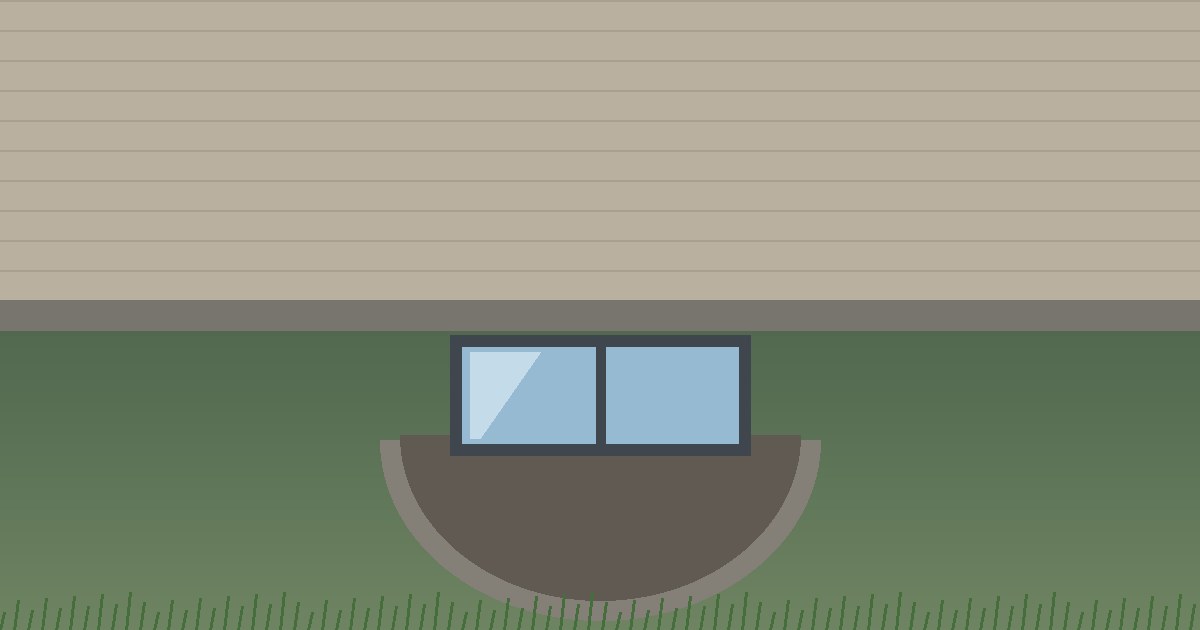

Basement windows can improve daylight and ventilation, but they may also be overlooked when a household reviews its security. The right approach depends on the window type, whether it is an emergency escape opening, the building’s construction, and local fire and housing rules. This article offers general information. Before installing a lock, bar, film, or covering, confirm that the change will not block a required emergency exit and ask a qualified contractor or local fire authority about site-specific questions.
Inspect every window first
Walk the basement from the inside and outside. Look for cracked glass, damaged frames, loose screens, deteriorated locks, and gaps around the opening. A window that does not close, latch, or stay open safely needs repair. Do not rely on a screen as a security barrier; screens are designed for insects and airflow, not forced-entry resistance.
Record the window style and the way it opens. Sliding, casement, hopper, awning, and double-hung windows have different hardware and different options for ventilation and access. Photograph the frame and hardware before shopping for replacements. A product that fits one style may prevent another style from operating correctly.
Protect emergency egress
Some basement rooms require an egress window or another approved escape route. An egress opening must remain usable by occupants during an emergency. Do not install a permanent bar, fixed grille, or exterior cover that cannot be opened from inside without a key or special knowledge. If a window opens into a well, keep the well clear and make sure any cover can be released as required by applicable code.
The local fire marshal, building department, or a qualified professional can explain which openings count as emergency exits. A landlord or property manager should approve changes in a rental. Security should never turn a bedroom into a trapped space. If a proposed device cannot be opened quickly by a person who is awake and familiar with it, reconsider the design.
Use appropriate hardware
For a non-egress window, a manufacturer-approved lock can help prevent casual opening. Follow the installation instructions and avoid drilling into areas that contain wiring, plumbing, or structural members. A secondary device should not put pressure on the frame or prevent the sash from sealing. When a window is used for ventilation, develop a routine for locking it before leaving or going to sleep.
Security film can reduce flying glass after impact, but it is not a complete substitute for a sound frame or a secure lock. Ask the installer what the film is designed to do and how it is attached. Exterior bars and grilles require special care because they may interfere with rescue access. Before installing one, ask the local fire or building authority how the opening must function during an emergency. Never improvise a device that can fall, create a sharp edge, or block a firefighter.
Improve the window well and surrounding area
Keep the exterior approach visible. Trim vegetation without removing plantings that control erosion, and keep bins, tools, ladders, and stored materials away from the window. Lighting can help a resident notice activity, but aim it to reduce glare and respect neighbors. Motion lighting should be configured for the property rather than pointed toward a public walkway or another home.
A clean, stable window well matters for safety as well as security. Remove leaves and debris, address drainage problems, and check that the well cover is secure but quickly releasable where required. Do not place heavy objects on a cover that someone may need to lift during an escape. Water intrusion can weaken materials and create a maintenance issue, so repair leaks and damaged masonry rather than hiding them behind a product.
Consider privacy and monitoring
Basement windows can reveal whether a home is occupied and can expose personal information. Use privacy treatments that still permit required daylight and escape. If a camera is used, point it at the property’s own approach and keep neighboring windows and private spaces out of frame as much as practical. Secure the camera account, limit access to recordings, and review retention settings. A camera can provide notice or documentation; it does not replace a lock or a response plan.
When an alarm, sensor, or smart device is installed, update passwords and enable multifactor authentication when available. Know what happens during a power or internet outage. Put emergency contact information in a secure place and do not publish a detailed map of the home’s security setup.
Build a household routine
Check basement windows seasonally and after severe weather. Test locks and sensors, but do not test an emergency opening by creating a condition that could injure someone. Teach household members which windows are escape routes and how to open them. Keep a flashlight accessible and maintain a second exit plan if one route is blocked.
If you see broken glass, pry marks, or a window open unexpectedly, move to a safe location and contact local emergency services if you believe an intruder may be present. Do not disturb possible evidence. Once the immediate concern is handled, repair the opening and review how keys, access codes, and spare devices are controlled.
Effective basement-window security is a balance: sound hardware, clear visibility, maintained wells, privacy-aware monitoring, and an escape path that remains usable. The best improvement is the one that fits the window, the occupants, and the applicable safety rules.