
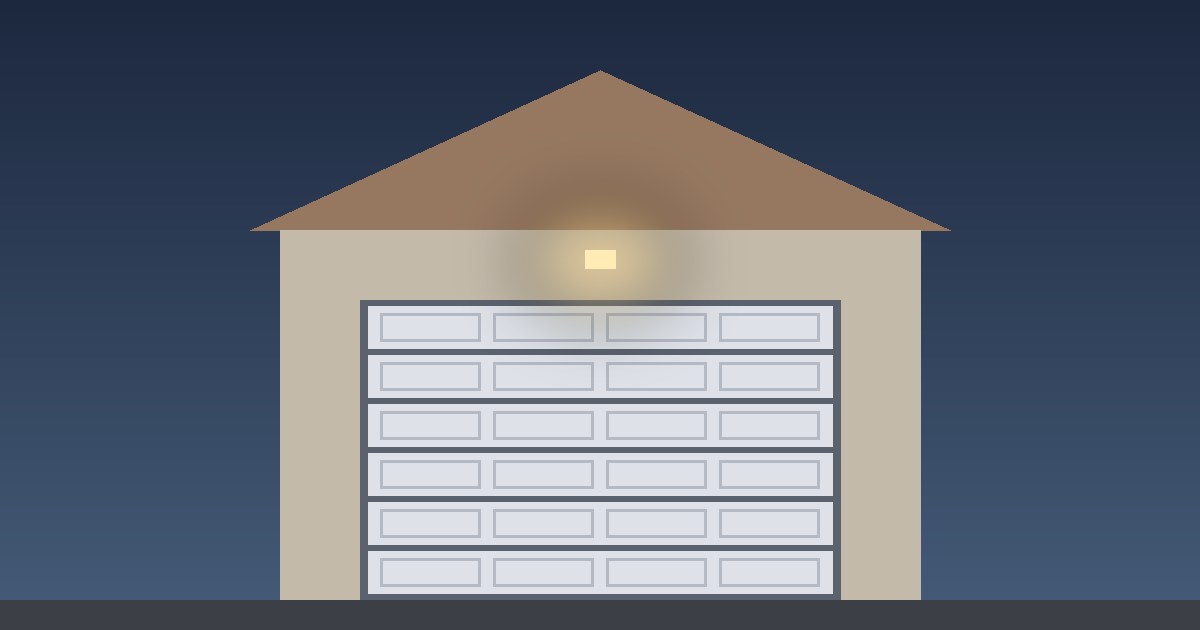

A garage door is both an entry point and a boundary between the street and the rest of a home. Security does not depend on one product. It comes from combining sound habits, a maintained door, controlled access, and a plan for unusual activity. The suggestions below are general information for homeowners and renters. A building owner, local fire authority, or qualified garage-door technician can advise on conditions specific to a property.
Start with the door and its hardware
Inspect the door from the outside and inside. Look for damage, gaps, loose fasteners, bent tracks, or a lock that does not engage cleanly. A door that binds or does not close fully should be serviced rather than forced. Garage-door springs and cables are under high tension; the Door & Access Systems Manufacturers Association advises that spring systems be repaired and cables replaced only by trained technicians.
Check the pedestrian door between the garage and the home. It should close and latch reliably. The frame, hinges, strike plate, and deadbolt should be in good condition. Do not prop it open. If the home is rented, report defects to the landlord or property manager instead of modifying the door without permission.
Control remote access
Treat a garage remote like a key. Keep it out of an unattended vehicle when possible, and remove it before selling or transferring a car. If a remote is lost, use the opener’s instructions to erase the old remote and pair a replacement. Household members should know which remotes exist and who has them. Avoid leaving a spare remote in an obvious outdoor hiding place.
If an opener supports a vacation or lock mode, learn what it disables before relying on it. Some systems allow the wall control or wireless remotes to be disabled while leaving the door operable from inside. A smart opener may provide status notifications, but an app is not a substitute for a closed and locked door. Use a strong, unique account password and enable multifactor authentication when the provider offers it.
Use visibility without creating new risks
Lighting can make it easier to notice activity around a garage. Aim exterior fixtures to illuminate the approach and door without creating glare into a neighbor’s property or a camera lens. Keep shrubs and stored items from blocking the view of the door. Motion-activated lighting can be useful, but it should be installed and configured so normal household movement does not cause constant false alarms.
Cameras should be positioned to cover approaches and entry points while respecting neighbors’ privacy. Keep recordings secure, limit who can view them, and review the manufacturer’s account and retention settings. A camera can document an event; it cannot physically stop one. Do not publish a recording that exposes private information before considering the safety and privacy consequences.
Reduce opportunity around the garage
Keep the garage door closed when the space is not actively being used. Do not leave tools, ladders, vehicle keys, mail, or documents visible through windows. Lock bicycles and other high-value equipment even inside the garage. Close and secure windows, and use curtains or film where appropriate without blocking required emergency egress. Never store gasoline, chemicals, or other hazardous materials in a way that creates a fire risk or violates local rules.
When leaving for a trip, ask a trusted person to watch the home and collect mail rather than advertising travel plans publicly. Keep a written inventory and photographs of valuable property in a secure location. If a garage door is damaged, a remote is missing, or you see signs of forced entry, do not enter if you believe someone may still be inside; move to a safe location and contact local emergency services.
Make the checklist routine
Test the door’s normal close cycle and safety features according to the manufacturer’s instructions. Keep maintenance records and address recurring faults. Periodically review who has remotes, keys, app access, and alarm codes. Revisit the plan after a move, a change in household, a lost device, or a security incident.
The goal is layered security: a maintained door, controlled credentials, good visibility, careful storage, and a response plan. None of these measures guarantees prevention, but together they can reduce avoidable opportunities and help a household respond more deliberately.
A short household briefing is worthwhile. Show children which doors they should not open for strangers and explain that remotes, keys, and alarm codes are not toys. Adults can agree on a simple signal for a suspected break-in and decide where to wait outside. Keep emergency contacts accessible, but do not place a full address or access code on a label attached to a key ring. If a neighbor has permission to check the property, share only the information needed for that task and update it when access changes.